
Labs
Agricultural Intelligence Lab
The Agricultural Intelligence Lab focuses on applying artificial intelligence in agricultural applications for improved productivity and sustainability. By utilizing an Unmanned Aerial System (UAS) equipped with the appropriate technology, powerful innovations and breakthroughs can emerge.

Song Lab
Song Lab develops innovative modeling and computational tools to tackle key challenges in biological, life, and environmental sciences. Our approach integrates a synergistic suite of complementary methods - including process-based modeling, data-driven modeling, and ecological theory - to enhance prediction capabilities and optimize data incorporation.

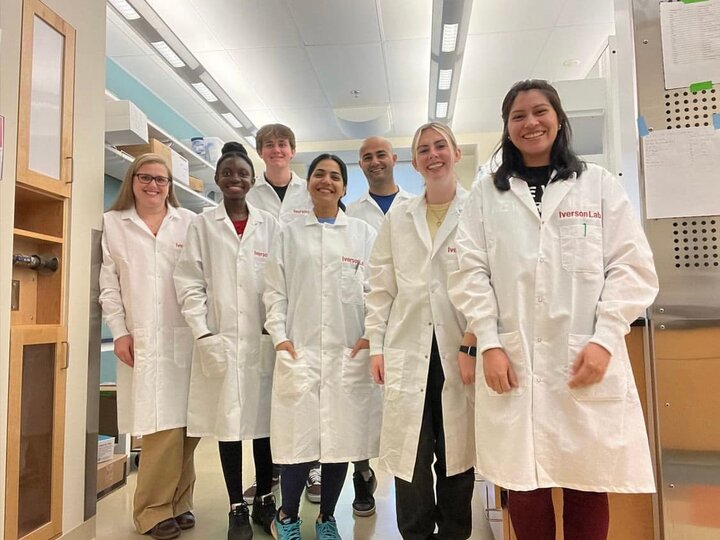
Iverson Lab
The Iverson Lab focuses on the use of carbon nanotube sensors to determine intercellular and intracellular signaling associated with quiescent and diseased cells. Current research is focused on the delivery of the carbon nanotube sensors for long term reactive oxygen and nitrogen species quantification.
Pannier Lab
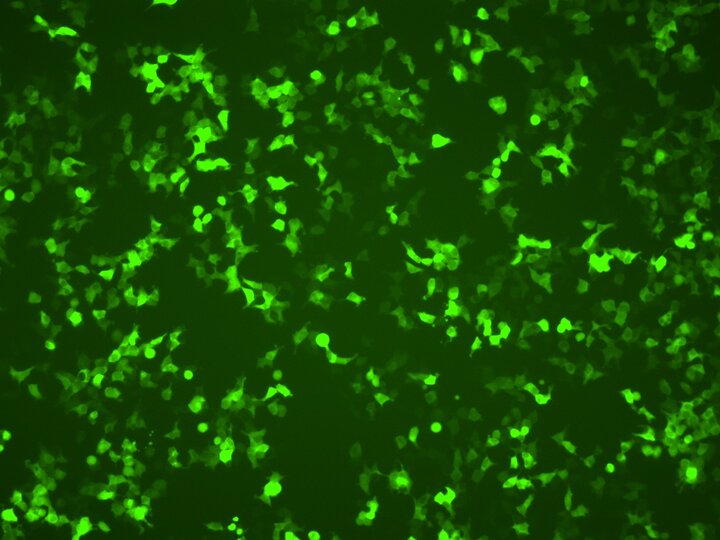
The long-term goal of the Pannier Lab is to understand and design innovative biomaterials and nucleic acid delivery systems to advance gene and cell therapies, vaccination strategies, and fundamental understanding of embryology and tissue development.
Vadose Zone Science for Water Quality Laboratory
The Vadose Zone Science for Water Quality Laboratory at UNL performs research across a spectrum of basic fundamental science to applied engineering. Our research focus is on vadose zone hydrology and soil physics in terms of chemical fate and transport affecting water and environmental quality, agricultural systems, and public health.

Schmidt Lab
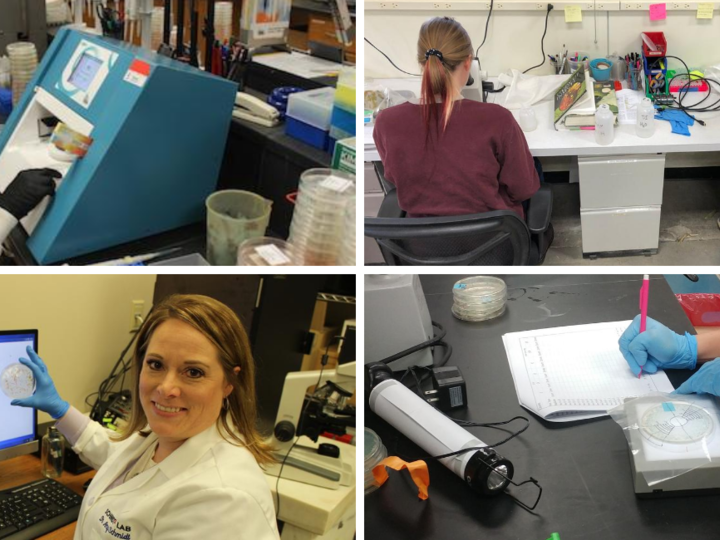
The Schmidt Research and Extension Team research the best practices associated with manure management to minimize environmental, social, and human health risks, and supports implementation by farmers through extension outreach activities.
Kievit Lab
The Kievit lab is utilizing engineering strategies to tackle neuroscience problems. Our research harnesses expertise in nanoscience, chemistry, biology, and medicine to create nanomaterials that interact with the body in specific ways to reduce the burden of disease.


The department conducts grant-funded research projects outside our research labs, supported by various agencies.
These projects span a wide range of interdisciplinary areas across our four BSE Areas of Excellence.